
Trust within the organization is not experienced the same way by people in all roles
Trust within the organization is not experienced the same way by people in all roles
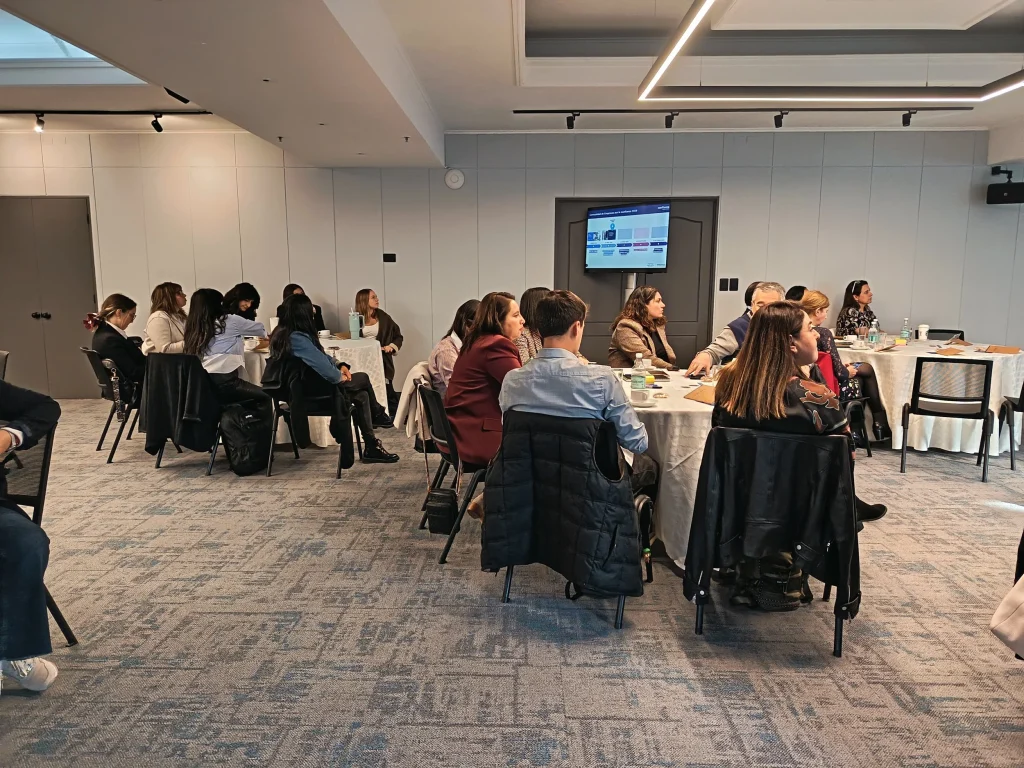
In April, the first 2026 meeting of the Business Community for Trust was held. This initiative, organized by the consulting firm Almabrands and Futuro del Trabajo SOFOFA Capital Humano, brings together organizations interested in placing trust at the center of their management practices.
The event brought together leaders from various industries to reflect, based on their direct experience, on the main challenges in the areas of culture and people management.
One of the key findings of the meeting was the persistence—and even widening—of a gap in the experience of trust between those who have people under their care and those who do not. Data from the 2025 Organizational Trust Pulse show that, for example, in the “Concern for Working Conditions” dimension, the net score among leaders is 55% versus 27% among those who do not have people under their supervision.
This trend is repeated in other critical variables. In the area of “Appropriate Skills and Development Support,” the net performance score is 48% among managers, while it drops to around 22% in the rest of the organization. In “Connection and Engagement with the Environment,” the difference is also significant: about 49% among leaders versus just 16% among employees without leadership roles.
When examining this data among companies that are measuring organizational trust using this same model—and that view trust as a key pillar of their discussions—the gaps between employees with and without subordinates narrow, with the largest gap between the two groups standing at just 9 percentage points.
In a qualitative analysis conducted to explore this phenomenon in greater depth, some of the explanations that stand out are: gaps in access to information, difficulties in the “trickle-down” of decisions, generational differences, and a growing sense of disconnection or lack of belonging among those who do not lead teams.
During the meeting, participants agreed that this scenario presents a challenge that goes beyond internal communication. The question that arises is whether organizations are facing a perception problem or, more fundamentally, an organizational design challenge.
The Business Community for Trust will continue to address these issues throughout the year, with the goal of creating spaces for collective learning that will enable progress toward organizations where trust is managed systematically, incorporating it as a criterion in organizational design, leadership styles, and day-to-day practices. Only in this way will it be possible to build organizations where the work experience is consistent and where trust serves as a true enabler of engagement, performance, and sustainability over time.


Let's talk
Behind every challenge lies an opportunity to make an impact.
Tell us what you're going through, and let's talk about how we can tackle it together.