
High performance and fulfillment: two sides of the same coin
High performance and fulfillment: two sides of the same coin
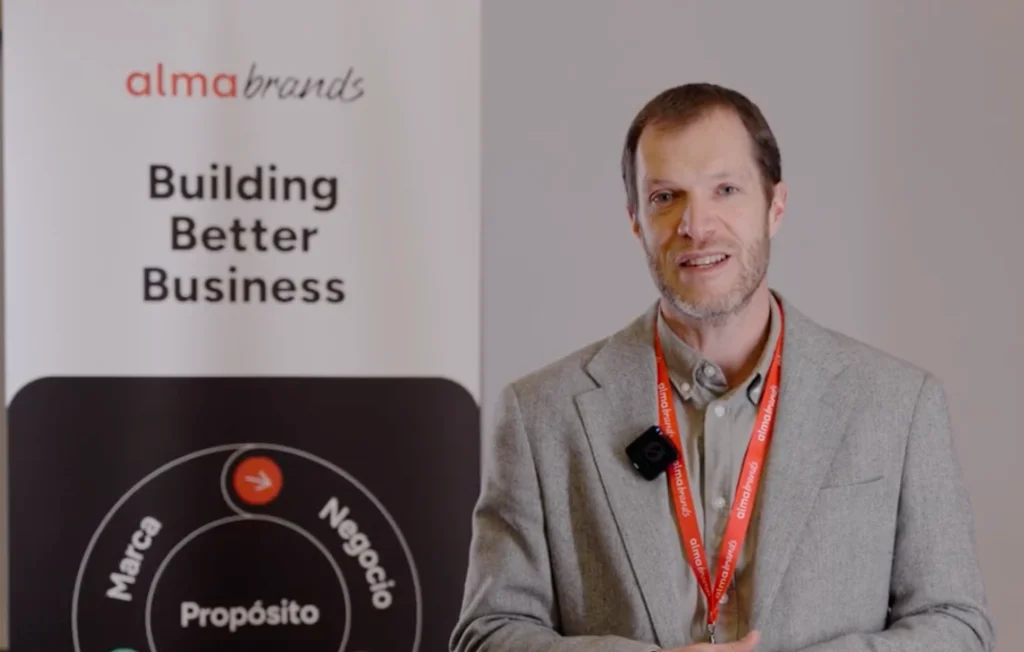
By Cristián Irarrázaval, Manager of Training and Cultural Transformation at Almabrands
Data from the latest round of the “Evolution of Corporate Purpose” study (May 2026) is setting off alarm bells by revealing a troubling loss of the cross-functional nature of purpose: less than half of Chilean business leaders (48% in 2026 vs. 55% in 2025) now consider the implementation of purpose to be “everyone’s responsibility” within the organization.
These results can be interpreted within an international context of uncertainty, geopolitical conflicts, and global inflation, where the focus tends to be on short-term profitability rather than the organization’s long-term purpose. Executive teams seek to ensure profitability and efficiency and address day-to-day operations rather than driving major transformations.
In this context, limiting beliefs can take root—such as the idea that high performance and personal fulfillment are separate things. When this happens, the focus shifts to the person doing their job, meeting objectives, and delivering results, but the rest of the person—their well-being and fulfillment at work—is overlooked. This creates an environment ripe for so-called “microaggressions”—those small actions that tend to invalidate others and undermine psychological safety within work teams, that essential ingredient of high performance.
Going the Extra Mile and Leadership
Now more than ever, people need to be mindful of how they behave toward others in stressful situations and to seek opportunities to build team spirit. This helps prevent burnout, allows colleagues to support one another during difficult times, and motivates each employee to go the extra mile—which is so essential to a company’s success. When someone leaves the office thinking, “I forgot to turn off the light or lock a certain room,” or “we should have done this better,” these are small signs that there is commitment—that there are people who genuinely care about the organization and want to see it grow.
One way to address this challenge is to continue fostering a culture of recognition. Recognizing small steps forward—even if they don’t lead to the final result—matters and can make a big difference, boosting motivation and the desire to keep moving forward, especially in times of economic hardship.
Thus, for change to be sustainable, leaders must keep the organization’s purpose front and center amid short-term pressures, keeping this conversation alive within the executive committee and explicitly linking it to the business, thereby ensuring organizational coherence. It’s a difficult task, but one that will surely provide meaning not only to employees, but also to their leaders, customers, and suppliers.
In short, we must reconnect purpose, strategy, organization, and people. Creating opportunities for reflection helps teams reconnect with what gives them meaning—with what makes it worthwhile to work hard, challenge themselves, and, ultimately, do things better.


Let's talk
Behind every challenge lies an opportunity to make an impact.
Tell us what you're going through, and let's talk about how we can tackle it together.