



Connecting Organizational and Personal Purpose: A Two-Way Journey
What we did
Connecting personal purpose with organizational purpose is the key to mobilizing real commitment and impact
What are you looking for?
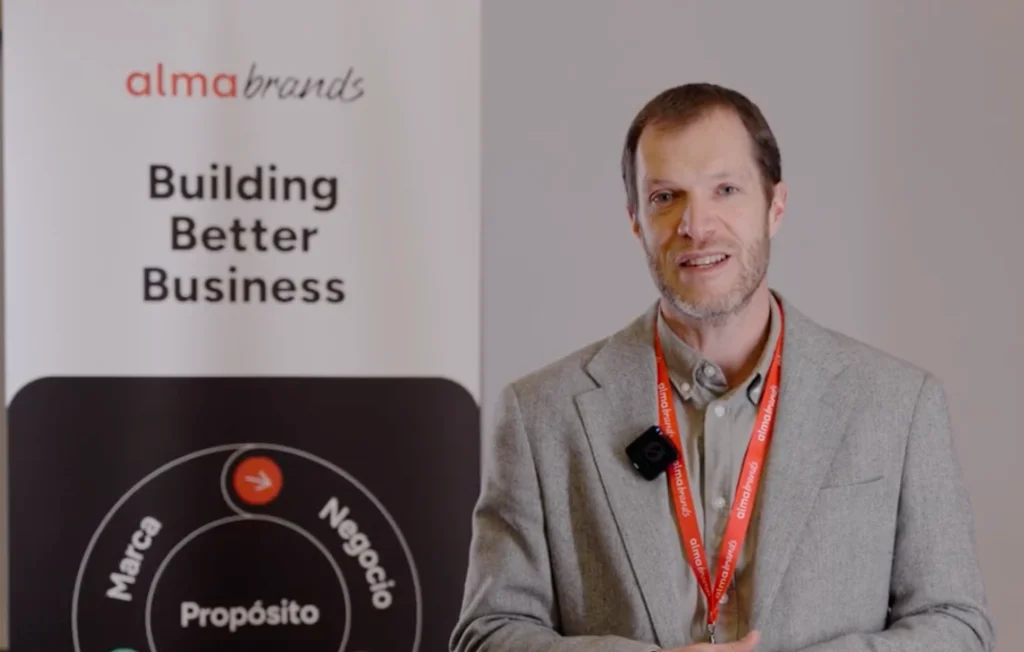
High Performance and Fulfillment: Two Sides of the Same Coin
By Cristián Irarrázaval, Head of Training and Cultural Transformation, Almabrands
Data from the latest edition of the Evolution of Corporate Purpose study (May 2026) is raising alarms by revealing a worrying loss in the cross-cutting nature of purpose: fewer than half of Chilean business leaders (48% in 2026 vs. 55% in 2025) now believe that implementing purpose is “everyone’s job” within the organization.
These results can be read against an international backdrop of uncertainty, geopolitical conflict, and global inflation, where attention tends to focus on short-term profitability rather than the organization’s long-term purpose. Executive teams seek to secure profitability and efficiency and to handle day-to-day operations, rather than drive major transformations.
In this context, limiting beliefs can take hold, such as the idea that high performance and personal fulfillment are separate things. When this happens, the focus is on people doing their job, meeting objectives, and delivering results, while the rest of the person—their well-being and fulfillment at work—is forgotten. This opens the door to so-called “microaggressions,” those small actions that tend to invalidate others and reduce psychological safety within teams, an essential ingredient of high performance.
Going the Extra Mile and Leadership
Today more than ever, people need to be mindful of how they behave toward others in stressful situations, and to look for opportunities to build a sense of team. This helps prevent burnout, support one another in difficult times, and make every employee want to go the extra mile so essential to a company’s success. When someone leaves the office thinking “I forgot to turn off the lights or lock a certain office” or “we should have done this better,” we are seeing small signs of commitment—signs that there are people who genuinely care about the organization and want to see it grow.
One way to put this challenge into practice is to keep strengthening a culture of recognition. Recognizing small progress, even when it doesn’t achieve the final result, matters and can make a big difference, boosting motivation and the drive to keep moving forward, especially in times of economic hardship.
For change to be sustainable, then, leaders must rescue purpose from short-term pressures, keeping this conversation alive in the executive committee and explicitly connecting it to the business, thereby ensuring organizational coherence. It’s a difficult task, but one that will surely bring meaning not only to employees, but also to their leaders, customers, and suppliers.
Ultimately, we must reconnect purpose, strategy, organization, and people. Creating spaces for reflection helps teams reconnect with what gives them meaning, with what is worth striving for, challenging themselves, and, ultimately, doing things better.
What we did
Connecting personal purpose with organizational purpose is the key to mobilizing real commitment and impact

What we did
Aaron Hurst explores the shift of purpose from inspirational rhetoric to a strategic imperative, and the key challenge of distinguishing between authentic conviction and mere corporate narrative.

What we did
It All Begins Here
Let's talk
Tell us where you are and let's talk about how to tackle it together.